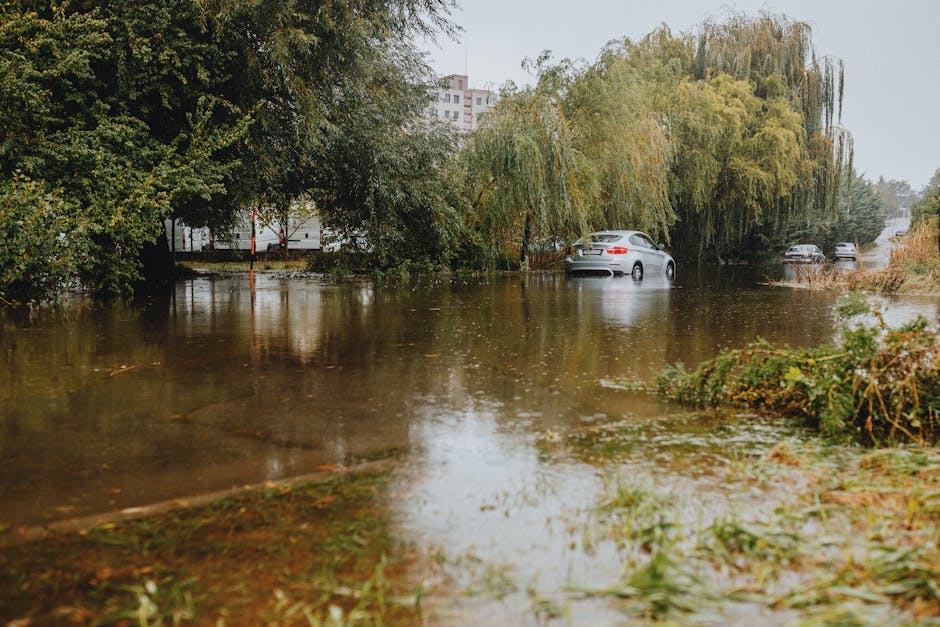
Emergency flood cleaning Harrow after burst pipes fast help
Posted on 25/06/2026
If a pipe bursts and water starts spreading across your Harrow home, every minute feels longer than the last. Floors go slick, carpets soak through, and you are suddenly dealing with more than a mess. Emergency flood cleaning Harrow after burst pipes fast help is about getting the water stopped, the damage contained, and the drying process started before the problem grows teeth. That is the real goal.
This guide walks you through what urgent flood cleanup involves, how the process usually works, what to do first, and where people often go wrong. It also covers practical choices, common risks, and a realistic checklist you can use when things are happening fast. Truth be told, the first hour matters a lot here. Not perfectly, not magically, but a lot.
For broader background on the company's local service approach, you can also review the services overview and the page on insurance and safety if you want to understand how professional cleaning teams think about risk.

Why Emergency flood cleaning Harrow after burst pipes fast help Matters
A burst pipe is not just a plumbing issue. It is a moisture problem, a safety problem, and often a timing problem. Water moves quickly into skirting boards, under laminate, into carpet backing, along grout lines, and sometimes right through to the rooms below. Once that happens, you are no longer dealing with surface water alone.
Fast help matters because the longer water sits, the more it can affect structure, smell, and indoor hygiene. Soft furnishings can hold moisture like a sponge. Timber can swell. Plaster can stain. And yes, that damp smell can arrive surprisingly quickly, especially in a closed room on a cool evening when nothing is airing out properly.
In homes across Harrow, the challenge is often simple but urgent: water reaches the hallway, bedroom, or kitchen faster than the homeowner can clear it. In flats, the worry grows because water can travel downstairs. That is why prompt flood response is not overreacting. It is common sense. A little boring, maybe. But essential.
For some households, the flood is also tied to moving dates, landlord inspections, or a property sale. If that sounds familiar, the local articles on end-of-tenancy cleaning on Station Road and deep-cleaning homes in Wealdstone and Headstone Lane can be useful background for understanding how cleaning standards are judged when time is tight.
How Emergency flood cleaning Harrow after burst pipes fast help Works
Emergency flood cleaning is usually a sequence, not one single action. A proper response starts with making the area safe, then removing standing water, then drying and cleaning, and finally checking for lingering moisture or contamination. That order matters because rushing straight to mopping can miss what is happening beneath the surface.
Here is the usual flow in plain English:
- Stop the water source if it is safe to do so. Turn off the supply or isolate the affected line.
- Protect people and pets by keeping everyone away from wet floors, electrics, and unstable items.
- Remove standing water using extraction equipment or absorbent methods.
- Lift and inspect affected materials such as rugs, mats, or furniture legs.
- Set up drying with air movement and dehumidification where needed.
- Clean and sanitise surfaces that may have picked up dirt, bacteria, or pipe residue.
- Monitor moisture over the following hours or days, especially in hidden areas.
The good version of this process feels calm, even if the situation is not. The bad version is a flustered walk-through with towels and hope. To be fair, towels do help. But they are not the whole answer.
Depending on the flood type, the approach changes. Clean water from a burst supply pipe is different from water that has been sitting around or mixed with waste. That is why the source, the spread, and the affected materials all shape the cleanup plan.
Key Benefits and Practical Advantages
When emergency cleaning starts quickly, the benefits are not just cosmetic. You are reducing the chance of long-term damp, saving more of the property, and making the room usable sooner.
- Less secondary damage: quick extraction and drying can reduce swelling, warping, and staining.
- Better hygiene: floodwater can carry grime and leave residues that plain air-drying will not fix.
- Lower disruption: if the kitchen, hallway, or living room is handled quickly, normal life can resume sooner.
- More salvageable contents: carpets, rugs, and furniture are more likely to survive if addressed promptly.
- Reduced odours: fast moisture control helps stop that musty, stale smell before it settles in.
There is another benefit people overlook: peace of mind. When you can see someone actively pulling water out, checking hidden corners, and giving you a clear plan, the whole situation feels less chaotic. And let's face it, in a flood, calm is worth a lot.
If you are comparing cleaning support more broadly, the page on pricing and quotes is worth a look for understanding how services are usually discussed before work begins.
Who This Is For and When It Makes Sense
This kind of urgent help makes sense for homeowners, tenants, landlords, letting agents, and business owners. Burst pipes do not care who owns the property. They just create wet floors and a race against time.
It is especially relevant if:
- water has spread across carpets, laminate, or wood flooring
- you can smell damp already, even though the surface looks fine
- the leak has reached a hallway, stairwell, or adjoining room
- you are responsible for an end-of-tenancy handover
- there is a risk of damage to furniture, skirting, or lower floors
- you need fast help before guests, inspections, or tradespeople arrive
It can also make sense if the leak happened overnight. That one is nasty. You wake up, step onto a cold patch of carpet, and immediately know the morning has gone off script.
Not every wet patch needs a full emergency response, but if water is spreading, pooling, or soaking into materials, acting quickly is the safer choice. If you are unsure, treat it as urgent until you know otherwise.
Step-by-Step Guidance
Here is a practical sequence you can follow in the first moments after a burst pipe. Keep it simple. No heroics.
- Shut off the water
Find the stopcock or isolation point if you know where it is. If not, focus on getting help from someone who does. The aim is to stop more water arriving. - Switch off electricity in affected areas if safe
Do not walk through deep water to reach sockets or consumer units. If electrics are at risk, stay out and get a qualified person involved. - Move valuables first
Take away laptops, papers, rugs, cushions, and anything that can absorb moisture or be stained. - Lift items off the floor
Use blocks, plastic crates, or whatever is safe and stable. Keeping furniture legs out of standing water can help. - Blot and collect surface water
Use towels and mops to reduce the spread. This is the short-term fix, not the full fix. - Document the damage
Take photos before moving too much. This can be useful for insurance or landlord communication. - Arrange emergency flood cleaning
At this stage, the aim is speed and proper drying. Waiting until tomorrow usually makes matters worse. - Keep doors open where safe
Airflow helps, although it will not replace extraction and drying equipment. - Check hidden areas later
Under beds, behind appliances, and along edges often stay wet after the obvious water is gone.
A small but important point: if the pipe burst in a kitchen or utility room, check for water under appliances. Fridge plinths, washing machines, and kickboards can trap moisture. That hidden water is the sort that causes a delayed headache two days later.
Expert Tips for Better Results
In our experience, the difference between a tidy recovery and a lingering damp problem often comes down to a few practical habits.
- Act fast, but do not rush blindly. Removing water matters; making sure it is really gone matters more.
- Check the edges of rooms. Water loves to travel where it is least noticed.
- Use airflow wisely. Open windows where the weather allows, but do not rely on fresh air alone.
- Separate drying from cleaning. A surface can look clean and still be wet underneath. That distinction is easy to miss.
- Be cautious with DIY heaters. Too much heat too quickly can cause materials to dry unevenly. Bit of a trap, really.
- Check soft furnishings carefully. A sofa or chair may hold moisture in the base long after the top feels dry.
If the property is a rental or is being prepared for inspection, the local content on avoiding hidden cleaning charges in Harrow can help you think about documentation, expectations, and what usually gets checked after cleaning work.
One practical little habit: keep a torch handy. When the room lights are on, wet edges can look deceptively normal. A beam of light across the floor often shows ripples, shine, or swelling that you would otherwise miss. Simple, but handy.
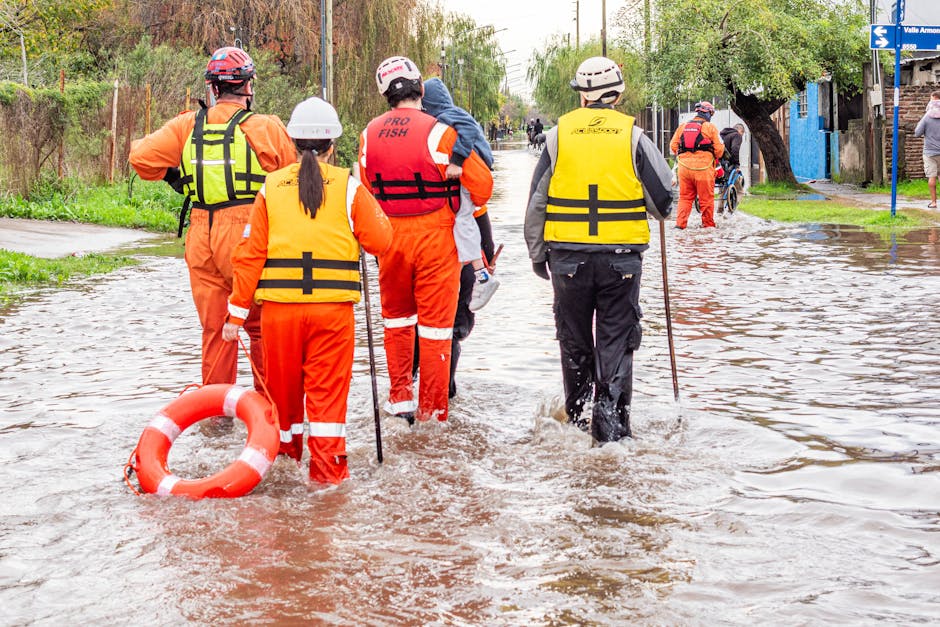
Common Mistakes to Avoid
Flood cleanup goes wrong in a few predictable ways. The good news is that most of them are avoidable.
- Only drying the visible water. The surface may be dry while the underlay is still soaked.
- Moving furniture too late. Once items sit in water too long, they may stain or deform.
- Using too much heat too soon. This can distort materials and create uneven drying.
- Ignoring odour. If it smells damp, it usually still is damp somewhere.
- Forgetting safety around electrics. Wet floors and electrical equipment are not a clever mix.
- Throwing away affected items too quickly. Some pieces can be saved with the right response.
Another common slip is assuming a burst pipe is a one-off inconvenience. Sometimes it is. Sometimes it is a sign of ongoing plumbing trouble. If the same area has leaked before, it is worth looking deeper, not just cleaning up and moving on.
That said, nobody handles a sudden flood perfectly. You are doing your best in a messy, stressful moment. Fair enough.
Tools, Resources and Recommendations
A professional flood cleanup response may use specialised extraction, drying, and monitoring equipment. You do not need to know every model or setting, but it helps to understand the categories.
| Tool or method | What it does | Best used for |
|---|---|---|
| Water extraction | Removes standing water quickly from floors and carpets | Immediate response after a burst pipe |
| Air movers | Pushes air across damp surfaces to speed drying | Carpets, underlays, and hard floors |
| Dehumidifiers | Pulls moisture from the air | Rooms with lingering humidity |
| Moisture checks | Helps identify hidden damp areas | Walls, edges, under furniture, and floorboards |
| Cleaning and sanitising products | Removes residue and improves hygiene | Hard surfaces and contaminated contact points |
For household support beyond emergency situations, some readers also find it useful to explore domestic cleaning in Harrow or house cleaning in Harrow once the immediate water issue is under control. That is not the first step. Just the next sensible one.
If upholstery or carpets have been affected, related service information such as carpet cleaning in Harrow and upholstery cleaning in Harrow may be useful for recovery planning after the drying phase.
Law, Compliance, Standards, or Best Practice
Flood cleaning after a burst pipe is not only about appearance. There are practical safety and property-care expectations to keep in mind. In the UK, people are generally expected to take reasonable steps to limit avoidable damage, especially where insurance or tenancy responsibilities may be involved. Exact obligations can vary, so it is wise to check the terms relevant to your property or agreement.
From a best-practice perspective, the main principles are straightforward:
- Protect health and safety first. Wet floors, electrics, and contaminated water need caution.
- Document the damage. Photos and notes can help with claims or landlord communication.
- Act promptly. Delays can worsen damage and may complicate recovery.
- Use suitable equipment. Drying and extraction should match the severity of the leak.
- Keep records of work carried out. This is especially useful for tenants, landlords, and commercial premises.
Where people get nervous is the overlap between cleaning, insurance, and liability. That is understandable. The safest approach is to be clear about what happened, what was affected, and what was done to reduce the damage. If you need more background on how a local cleaner approaches trust and process, the about us page offers helpful context.
Options, Methods, or Comparison Table
There are usually three broad ways people respond to a burst-pipe flood. Each has a place, but they are not equal in speed or reliability.
| Approach | Strengths | Limitations | Best for |
|---|---|---|---|
| DIY towel-and-fan response | Immediate, low cost, easy to start | Often misses hidden moisture and can be slow | Very small leaks or first-aid cleanup |
| Plumber plus basic cleaning | Stops the cause and handles visible mess | May not address deep moisture in materials | Minor to moderate water incidents |
| Emergency flood cleaning service | Fast extraction, proper drying, better moisture control | Higher upfront cost than DIY | Soaked carpets, spreading water, hidden damp risk |
The big question is simple: how far has the water travelled? If it is only a few splashes, DIY may be enough. If the floor is wet underfoot, the skirting is affected, or the room feels humid hours later, the emergency route is usually the smarter one.
Case Study or Real-World Example
Picture a ground-floor flat in Harrow on a cold weekday morning. The tenant hears a strange hiss in the kitchen, then finds water spreading under the sink cabinet and across the lino. By the time the supply is stopped, the water has reached the hallway edge and soaked into a mat.
The first response is messy but sensible: towels down, light furniture moved, photos taken, and the area kept clear. A cleaning team arrives, extracts the water, checks the under-cabinet area, and starts drying the room rather than just wiping the surface. The hallway mat is removed, the skirting is inspected, and the moisture is monitored again later that day.
What made the difference? Not magic. Timing. The room never turned into a lingering damp problem because the response was fast enough to stop water settling deep into materials.
That kind of scenario is common enough in local properties, especially where pipework is tucked into cabinets or older fittings have had a rough winter. It does not need to become a disaster. But it can, if the water is left alone.
Practical Checklist
Use this checklist if you are dealing with a burst pipe and want to stay organised.
- Stop the water source if it is safe to do so.
- Keep people and pets away from wet areas.
- Switch off electrics only if you can do it safely.
- Move valuables and light furniture first.
- Take photos before major changes are made.
- Blot and collect standing water.
- Check under furniture, cabinets, and edges.
- Start airflow and drying as soon as possible.
- Watch for smell, swelling, or recurring damp patches.
- Arrange professional help if water has soaked into floors, carpets, or walls.
Expert summary: With burst-pipe flooding, speed matters, but so does thoroughness. Stop the source, protect the space, remove water properly, and verify that hidden damp has not been left behind. That's the whole game, really.
Get a free quote today and see how much you can save.
Conclusion
Emergency flood cleaning after a burst pipe is one of those jobs where the right first move can save hours later. If you act quickly, keep the area safe, and focus on proper drying rather than just surface wiping, you give the property a much better chance of recovering cleanly.
That is especially true in Harrow homes where water can spread into carpets, cabinets, and shared walls faster than expected. The practical answer is usually the same: stop the source, contain the damage, and get experienced help in before hidden moisture settles in and quietly makes things worse.
For readers who want to understand the wider local context of Harrow and its homes, the related articles on whether Harrow is a good community and the appeal of Harrow as a suburban area add useful background on the neighbourhood and the way people live here.
And if the day has felt a bit too much, that is fair enough. Sort the water first, breathe, then deal with the rest one clear step at a time.